Laser rubber engraving uses a CO2 laser to engrave or cut natural and synthetic rubber. Stamp making engraves a relief image into laser-grade rubber sheet, producing a stamp die that mounts to a stamp handle. Gasket cutting cuts through rubber sheet to produce gaskets, seals, washers, and industrial dies. Both applications run on the same Evermark USA CO2 laser with different settings — depth-controlled engraving for stamps, full-thickness cutting for gaskets. Most rubber compounds engrave and cut cleanly; some specialty compounds (chlorinated, sulfur-cured, or PVC-containing) are not laser-safe and require alternative methods.
Stamp Making and Gasket Cutting — Same Machine, Different Settings
Rubber engraving and rubber cutting are the two dominant laser rubber applications. Both run on the same Evermark CO2 laser — the difference is in the settings and the rubber compound.
Stamp making engraves a relief image into laser-grade rubber, producing a stamp die that mounts to a stamp handle. The laser removes material around the design, leaving the design itself raised above the surface. Depth is typically 0.040 to 0.060 inches — deep enough to ink the raised design cleanly without the recessed background picking up ink.
- Laser-grade red or gray rubber, typically 0.090 to 0.125 inches thick
- Engraving depth controlled by power, speed, and number of passes
- Standard for office stamps, address stamps, custom rubber stamps, craft stamps
- Production speed: typical 2×3 inch stamp in 3 to 10 minutes
Gasket cutting cuts completely through rubber sheet to produce gaskets, seals, washers, and industrial dies. The laser produces a kerf as narrow as 0.005 inches, allowing intricate gasket geometry that traditional die-cutting and water-jet cannot match cost-effectively in short runs.
- Natural rubber, nitrile, silicone, EPDM, neoprene sheet
- Thickness range typically 1/32 inch to 1/4 inch on production CO2 systems
- Standard for prototype gaskets, custom seals, OEM short-run gaskets, industrial dies
- Production speed: typical small gasket in 5 to 30 seconds
Rubber Compounds Evermark CO2 Lasers Process
Most natural and synthetic rubber compounds engrave and cut cleanly on a CO2 laser. A few specialty compounds are not laser-safe — verify before quoting production.
Red and gray rubber sheet specifically formulated for laser stamp engraving. Low-odor, clean-engraving, and consistent across batches. Standard sheet thickness 0.090 to 0.125 inches. The dominant material for office and craft stamp making.
Natural rubber sheet for gaskets, seals, and industrial dies. Cuts cleanly with a slightly darkened edge — typical and acceptable for most industrial gasket work. Used in food-contact gaskets, medical gaskets, and general-purpose sealing.
Synthetic rubber compounds for industrial and automotive gaskets. Each compound has slightly different cut characteristics, but all four cut cleanly on a CO2 laser. Standard for engine gaskets, weather seals, chemical-resistant seals, and OEM custom gaskets.
Cork-rubber composite sheet for vibration dampening and oil-resistant gaskets. Cuts cleanly on CO2 lasers with results similar to pure rubber. Common in automotive and industrial machinery applications.
Rubber Compounds That Cannot Be Laser Cut Safely
Some rubber compounds release toxic or corrosive fumes when laser cut. Evermark USA will not configure machines to cut these materials, and operators should never attempt to laser cut them.
Chlorinated rubber, chlorosulfonated polyethylene (Hypalon), and rubber compounds containing PVC release hydrochloric acid gas when laser cut. The acid damages machine optics, corrodes electrical components, and is toxic to operators. Verify rubber chemistry with the material supplier before cutting — most commercial rubber sheet identifies chlorine content on the data sheet.
Sulfur-cured rubber compounds release sulfur dioxide and other sulfur fumes when laser cut. Occasional cuts on sulfur-cured rubber are acceptable with strong ventilation; production volume on sulfur-cured rubber damages machine components over time and creates an operator-health concern. Most modern industrial rubber uses peroxide curing instead — verify with the supplier.
Material Verification RequiredWhen in doubt, send the rubber's material safety data sheet (SDS) to Evermark applications engineers — they will verify laser safety before quoting machine for production rubber work.
How Much CO2 Wattage Do You Need for Rubber?
Rubber engraving and cutting need moderate CO2 power — most rubber work runs comfortably at 60W to 130W. The table below maps rubber applications to recommended wattage.
| Application | Recommended Wattage | Notes |
|---|---|---|
| Custom stamps (office and craft volume) | 40W – 60W | Laser-grade stamp rubber engraves at lower power |
| Production stamp making | 60W – 100W (Production) | Faster engraving cycle for multi-stamp batches |
| Gasket cutting up to 1/16 inch | 60W – 100W (Production) | Most common production gasket thickness |
| Gasket cutting 1/16 to 1/8 inch | 100W – 130W (Production) | General industrial gasket thickness |
| Gasket cutting 1/8 to 1/4 inch | 130W – 200W (Industrial) | Heavy industrial gasket and die work |
| Multi-piece gasket production | 130W – 200W (Industrial) | Volume gasket fabrication, multi-piece fixturing |
Have a stamp design or gasket drawing? Send the file and material spec — Evermark applications engineers will engrave a sample stamp or cut a sample gasket on the recommended machine within one business week.
Recommended CO2 Lasers for Rubber Engraving and Cutting
Rubber work scales from stamp making through industrial gasket fabrication. Most rubber buyers settle in the production tier — industrial systems serve OEM gasket manufacturers and high-volume die fabricators.
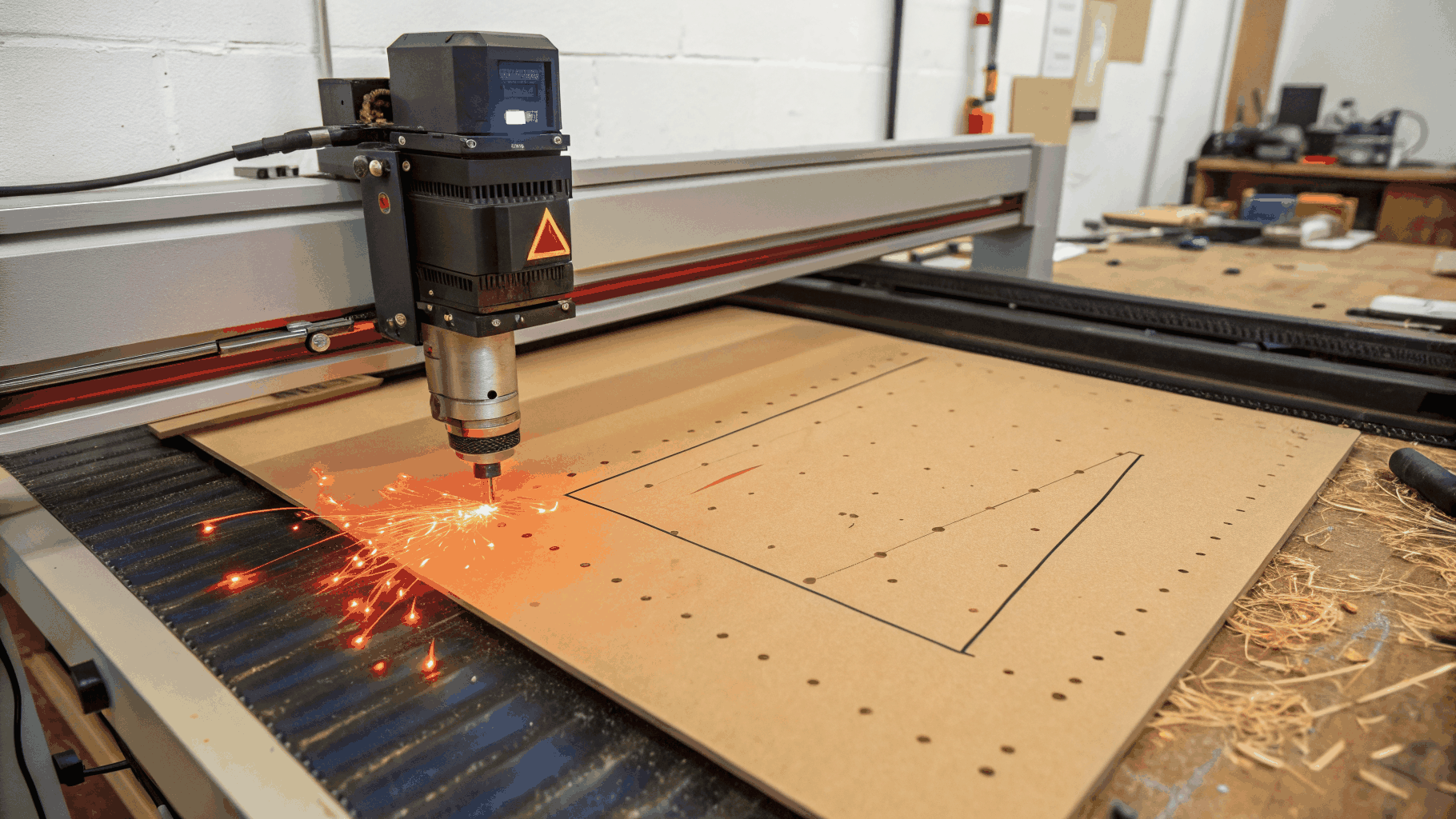
Entry-level CO2 for stamp shops, craft makers, and small custom gasket businesses. 40W – 100W, bench-sized, handles stamp making and light gasket cutting.
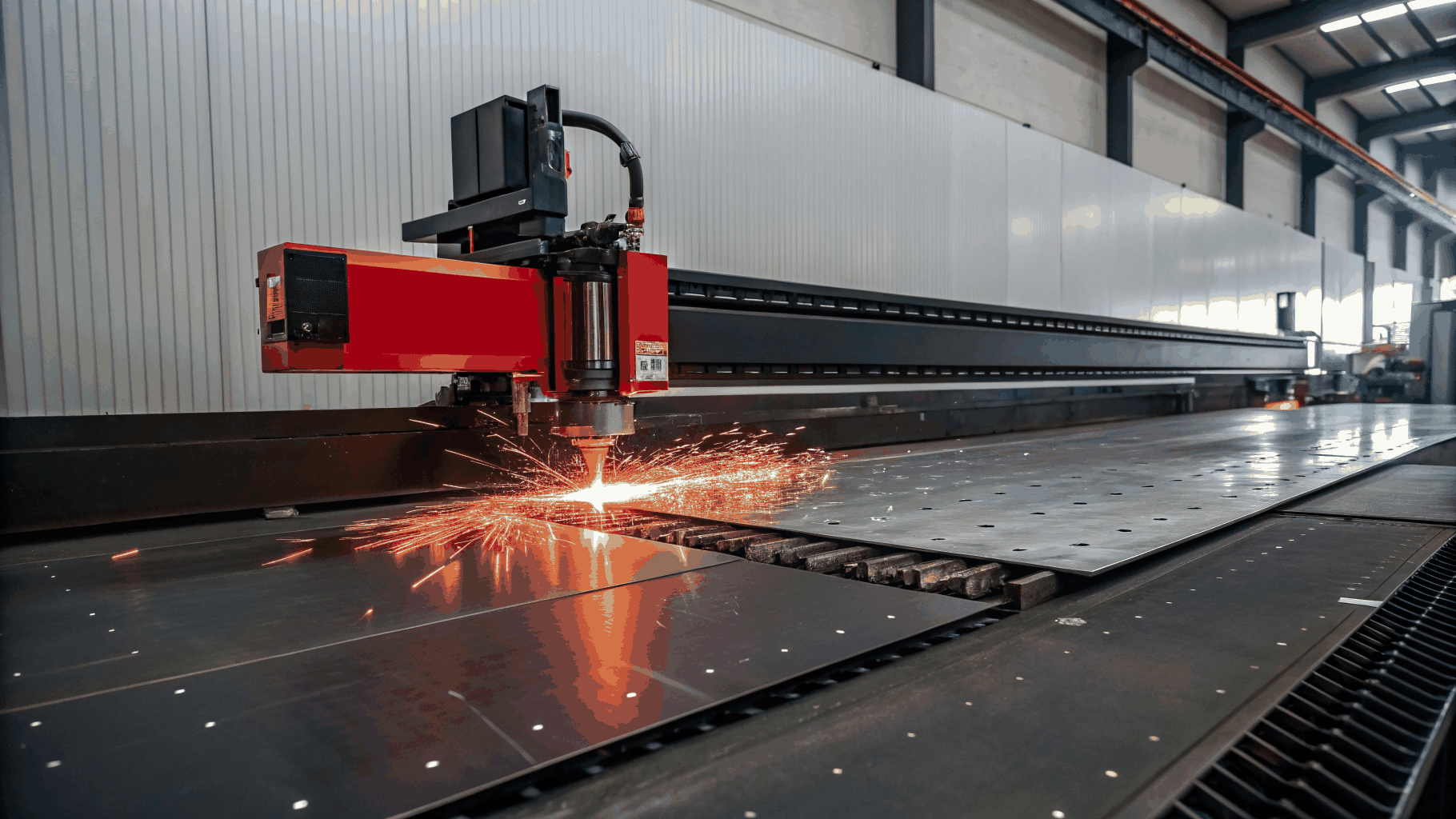
Floor-standing CO2 for production stamp makers, custom gasket fabricators, and short-run industrial die shops. 80W – 200W, bed sizes 1390 and 1610, handles standard gasket thicknesses at production speed.
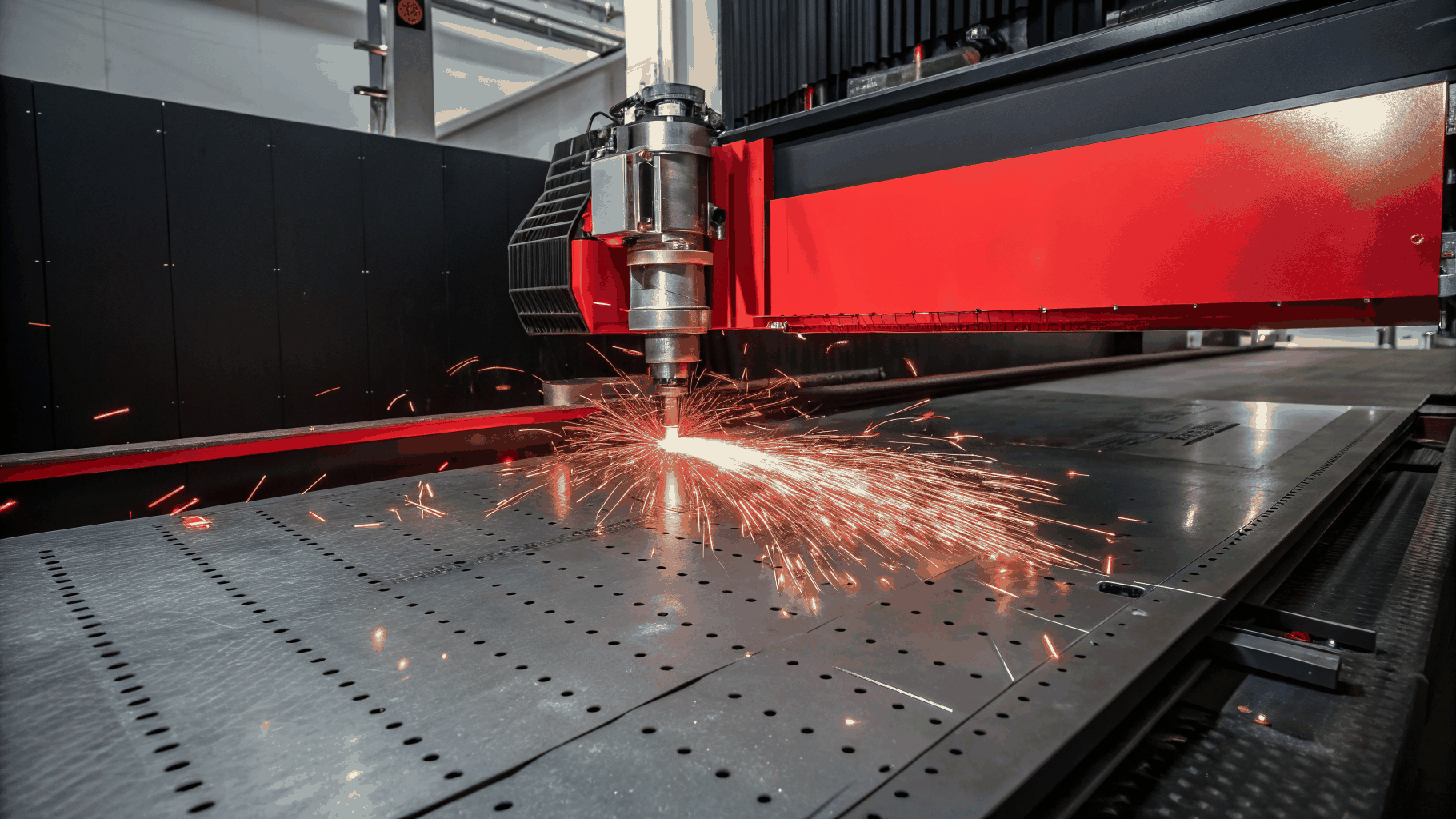
High-throughput CO2 for OEM gasket manufacturers and high-volume rubber die fabricators. 150W – 300W, bed sizes through 1325, handles heavy industrial gaskets and multi-piece batch production.
Rubber engraving and cutting produces particulate and odor that require strong ventilation. A dedicated fume extractor with HEPA and carbon filtration is recommended for any production rubber work.
Frequently Asked Questions
Ready to See Your Stamp or Gasket Made?
Send Evermark USA your stamp design or gasket drawing, rubber compound, and project volume. The applications team will recommend the right CO2 laser, produce a sample, and quote cycle time and lead time before you commit.