Laser leather and textile cutting uses a CO2 laser to cut and engrave hides, fabric, felt, and synthetic sheet materials with a kerf as narrow as 0.005 inches. The laser seals the cut edge on synthetic fabrics — preventing fraying without separate edge finishing — and cuts intricate geometry that traditional die-cutting, clicker presses, and CNC blade cutters cannot match. Evermark USA CO2 lasers handle leather up to 1/4 inch and most fabric and felt up to 1/2 inch, with multi-bed pass-through configurations for continuous-feed textile production.
Materials Evermark CO2 Lasers Cut and Engrave
Leather and textile applications fall into four material families — each with different cut characteristics and edge results.
- Cuts cleanly with a slightly darkened edge — typical and acceptable for most goods
- Engraves to a rich dark contrast for branded logos and personalization
- Best for bespoke leather goods, watch straps, premium bags, awards
- Cuts cleanly but with slightly more edge darkening than vegetable-tan
- Often used for footwear uppers, jacket panels, automotive and furniture upholstery
- Some chrome-tanned hides release fumes that require careful ventilation — verify with hide supplier
- Cuts cleanly with no fraying on most blends — synthetic blends seal even better than pure natural
- Felt cuts with no edge finishing required for craft, costume, and architectural acoustic panels
- Best for apparel pattern cutting, costume work, felt craft, acoustic textiles
- Laser cut edge is heat-sealed — no fraying, no edge finishing
- Apparel, footwear, athletic gear, automotive interior, vegan leather goods
- PVC-based vinyl is NOT laser-safe — verify material is PU-based (polyurethane) before cutting
Who Cuts Leather and Textiles with a Laser?
Evermark USA CO2 lasers serve four major buyer segments in the leather and textile space.
Apparel and Fashion
Pattern cutting for production apparel, athleisure, costume, and bespoke garments. Single-layer or multi-layer cutting with conveyor-fed CO2 systems for production shops, desktop CO2 for designers and small studios.
Footwear Brands
Upper pattern cutting, decorative perforation, branded engraving, and prototype cutting for athletic, fashion, and bespoke footwear. Both leather uppers and synthetic uppers process cleanly on the same machine.
Upholstery and Furniture
Automotive interior panels, furniture upholstery, marine vinyl, and custom hospitality seating. Production CO2 systems handle hide-sized leather pieces with optical registration to follow natural hide outlines.
Bespoke Leather Goods and Makers
Belts, wallets, watch straps, bags, and personalized leather goods sold direct-to-consumer. The dominant application for desktop and small-production CO2 lasers — Etsy sellers, custom leatherworkers, and gift companies.
Textiles That Cannot Be Laser Cut Safely
Some textile and vinyl materials release toxic or corrosive fumes when laser cut. Evermark USA will not configure machines to cut these materials, and operators should never attempt to laser cut them.
Polyvinyl chloride releases hydrochloric acid gas when laser cut. PVC vinyl banner material, PVC-coated upholstery, PVC-based 'leatherette,' and most adhesive vinyl with a vinyl carrier are not safe to cut. Verify upholstery material is PU-based (polyurethane) before cutting — many vinyl alternatives labeled 'vegan leather' are PU; some are PVC.
Glass-fiber and carbon-fiber woven textiles produce silica and carbon dust that abrades machine optics and is harmful to operator lungs. Most aramid and Kevlar-style textiles cut cleanly; fiberglass and carbon fiber do not.
Flame-retardant treated upholstery, waterproof-coated outdoor fabrics, and chemically treated medical textiles may release toxic fumes depending on the treatment chemistry. Send the material safety data sheet (SDS) to Evermark applications engineers before running production on any treated textile.
How Much CO2 Wattage Do You Need for Leather and Textiles?
Leather and textile cutting needs less power than wood or acrylic cutting — most production work runs comfortably at 60W to 130W. The table below maps common materials to recommended wattage.
| Material | 40W – 60W (Desktop) | 80W – 100W (Production) | 130W – 200W (Industrial) |
|---|---|---|---|
| Vegetable-tan leather | Up to 1/8" | Up to 3/16" | Up to 1/4" |
| Chrome-tan, garment leather | Up to 1/8" | Up to 3/16" | Up to 1/4" |
| Cotton, linen, denim, canvas | Single layer | Multi-layer (3–5) | Multi-layer (5–10) |
| Wool felt, craft felt | Up to 1/4" | Up to 3/8" | Up to 1/2" |
| Synthetic apparel textiles | Single layer | Multi-layer (3–5) | Multi-layer (5–10) |
| Cork sheet | Up to 1/4" | Up to 3/8" | Up to 1/2" |
| PU-based vinyl alternatives | Up to 1/8" | Up to 1/4" | Up to 3/8" |
Have a specific leather or fabric in mind?
Send a sample — Evermark applications engineers will cut and engrave the material on the recommended machine and send sample parts within one business week.
Recommended CO2 Lasers for Leather and Textile Cutting
Evermark USA builds CO2 lasers in three classes — the right choice depends on volume, bed size, and whether you need continuous-feed textile processing.
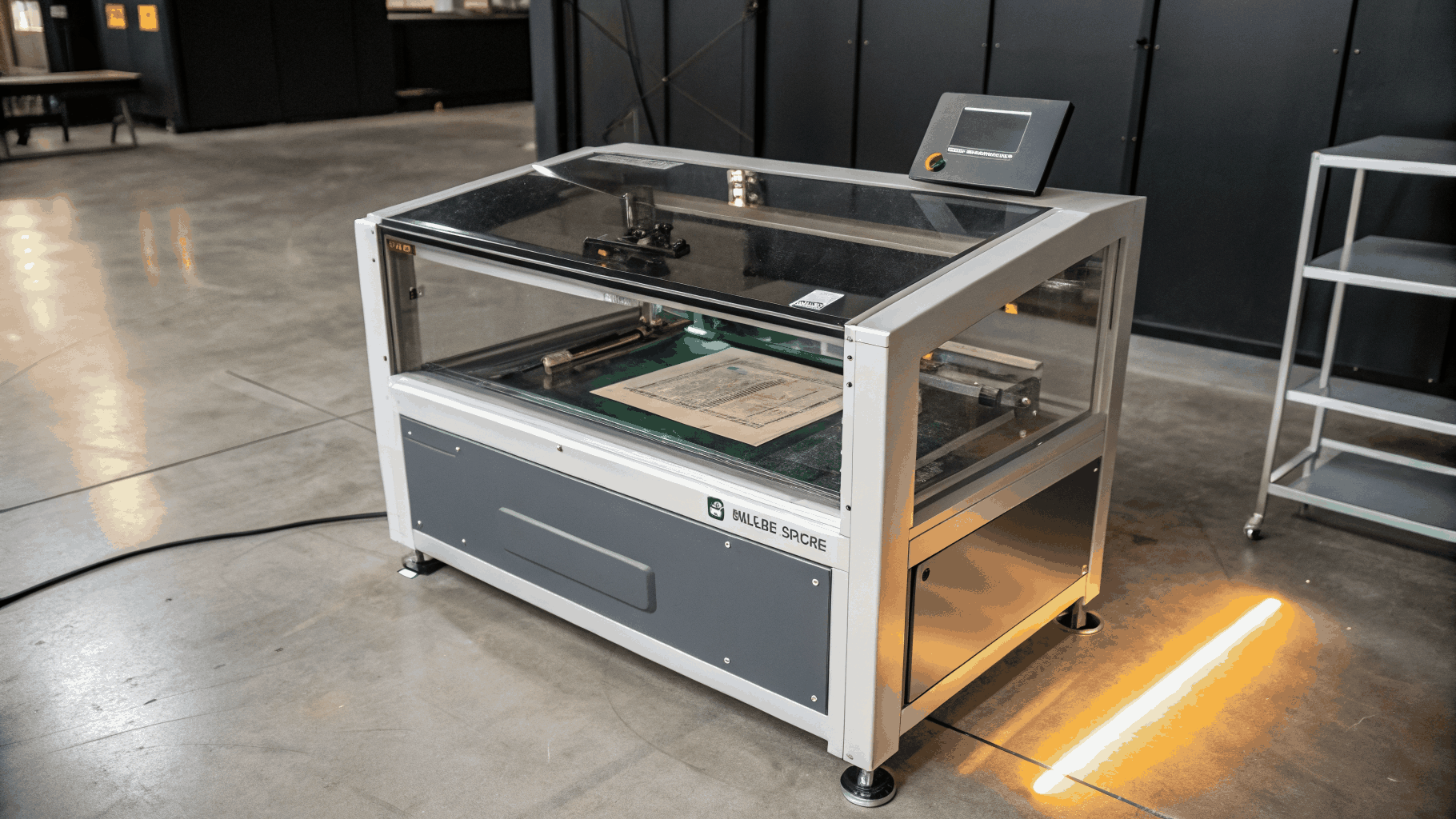
Entry-level CO2 for makers, designers, and small leather goods shops. 40W – 100W, bench-sized, handles leather up to 3/16 inch and most fabric and felt work.
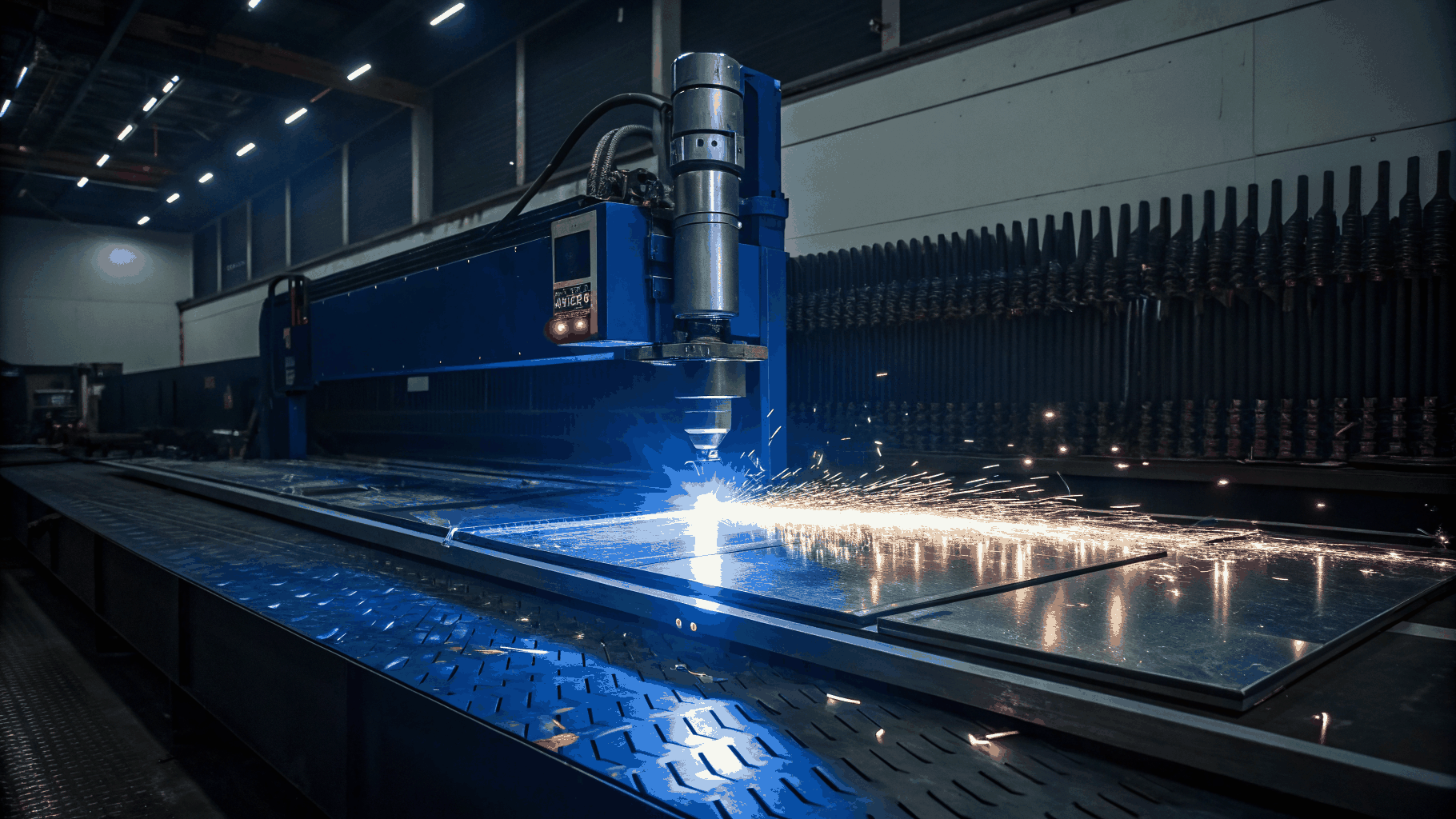
Floor-standing CO2 for small apparel manufacturers, footwear brands, and bespoke leather production. 80W – 200W, bed sizes 1390 and 1610, multi-layer fabric cutting.
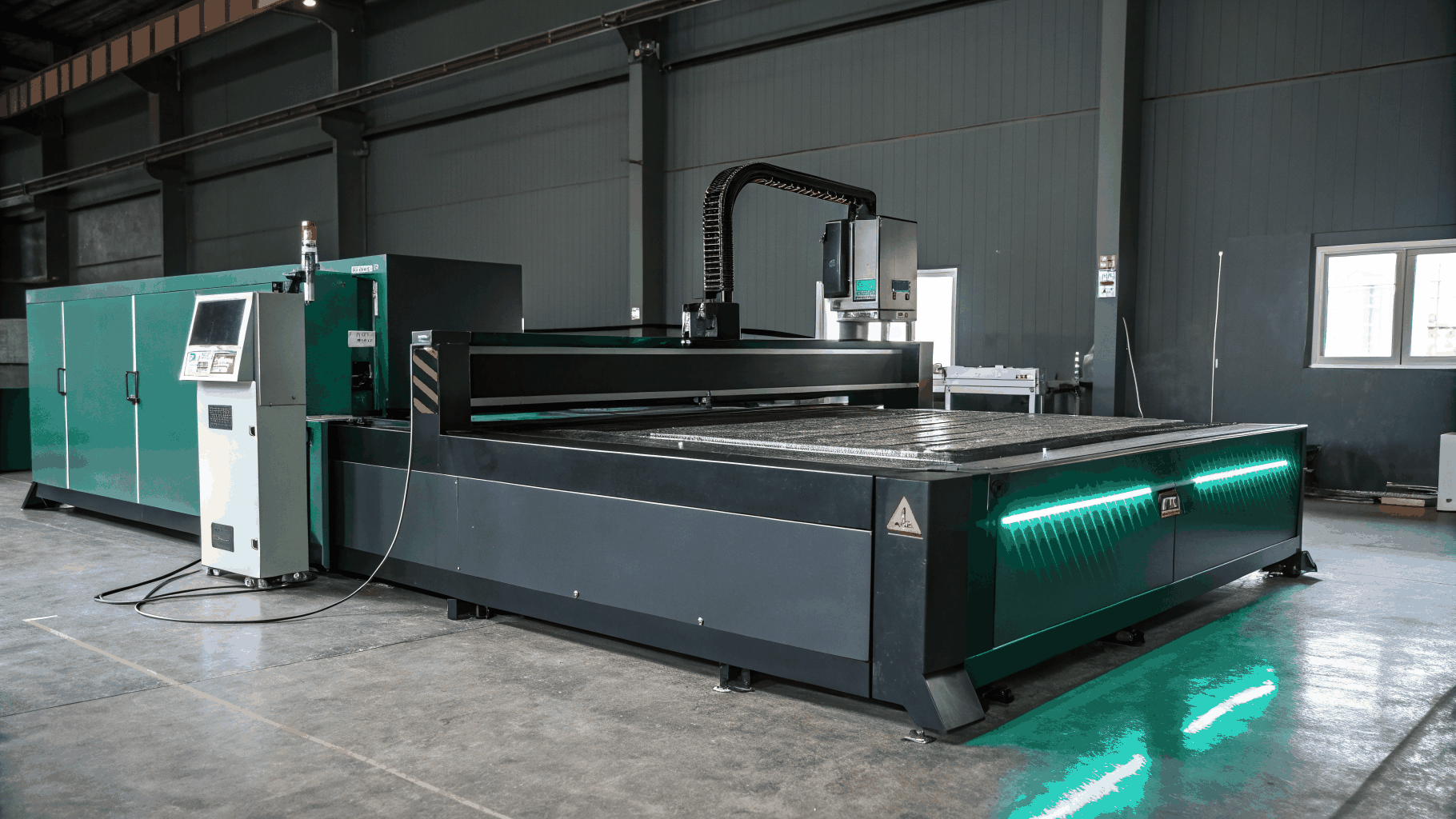
High-throughput CO2 for upholstery, automotive interior, and production apparel manufacturers. 150W – 300W, bed sizes through 1325, conveyor and pass-through options for continuous-feed textile production.
Frequently Asked Questions
Common questions about laser cutting leather and textiles.
Ready to See Your Leather or Textile Cut?
Send Evermark USA your part file, material type, and volume. The applications team will recommend the right CO2 laser, cut a sample of your material, and quote cycle time and lead time before you commit.